
Table of Contents
The Decision to Burn the Boats
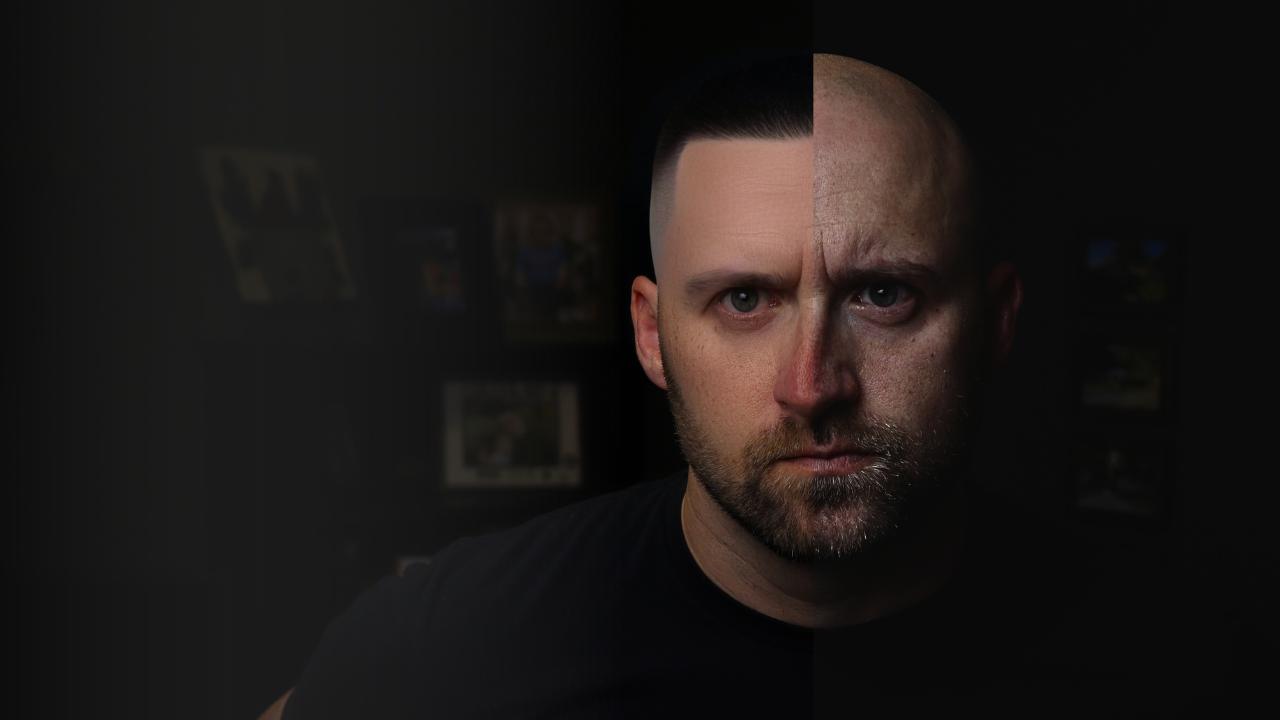
There comes a moment in every man’s life when he has to burn the boats—not because he wants to, but because there’s no other way forward. For me, turning 40 was that moment. It’s not a panic. It’s not a crisis. It’s clarity.
The phrase “burn the boats” comes from an old war tactic—destroying any chance of retreat so that the only way out is through. That’s how this birthday feels. Like a line drawn in the sand. Like I’ve arrived at the shore of the rest of my life and made a choice not to look back.
I’m not freaking out. I’m not trying to relive my twenties or outrun my thirties. I’m standing at the edge of turning 40 with a calm resolve. Because this isn’t just a celebration—it’s a crossing. A surrender. A setting down of everything that no longer fits who I want to become.
This isn’t about chasing some new identity. It’s about finally owning the one I’ve been building for decades. It’s about stepping more fully into the role I was made for—husband, father, builder, believer. There’s no turning back now, and I don’t want to. Not because the past was bad, but because the future matters more.
The man I was got me here. I’m grateful for him. But I’m not taking him with me. I’m burning the boats. And with that, I begin.
Looking Back Without Regret
I’m not dragging my past with me like dead weight, but I’m not pretending it didn’t matter either. I honor it. I respect the man I used to be—even if I’ve outgrown parts of him. He got me here. He carried more than people knew. He kept going when it would’ve been easier to give up.
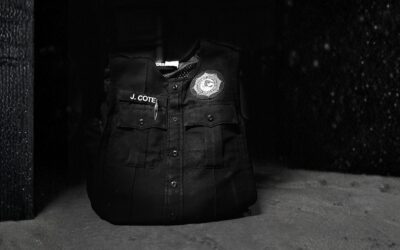
My 20s were shaped by the military. I was deployed six times. I saw things that still visit me in quiet moments. I did what needed to be done. It wasn’t glamorous, and it wasn’t easy, but it gave me discipline. It gave me grit. It taught me how to show up when I didn’t feel like it.
And then, somehow, I ended up in marketing.
That path makes no logical sense on paper. I came from a security forces background—boots on the ground, gear on my waist, adrenaline in my veins. But post-military life had a way of reshaping me. I found myself drawn to conversion optimization, e-commerce, data, digital strategy. Not because I trained for it—but because my brain thrives in it. I didn’t choose this lane out of some grand plan. I followed curiosity. I followed alignment.
And I’ve done well. Better than I expected. I’ve freelanced. Consulted. Held real roles. Built a reputation. I’ve been at my current company nearly seven years now, and it fits. It gives me space to grow.
But even with that gratitude, I’m not stuck in who I was. I don’t need to cling to old titles or identities. That guy served his role. He adapted. He pushed through. But I’m not building monuments to him. I’m building something new.
Looking back doesn’t mean turning around. It means nodding in respect—and walking forward with eyes open.
What I’m Leaving Behind
If I’m honest, a lot of what I’m leaving behind are things I never meant to carry this long. They started as coping mechanisms—quick fixes for deeper discomforts—but they’ve overstayed their welcome. And turning 40 feels like the right time to stop pretending they still serve me.
Alcohol in excess. Too much food. Too much relaxation disguised as recovery. It all adds up to a version of me that’s surviving, not thriving. I’m not interested in dragging that version into this next chapter. I don’t want to numb the hard moments. I want to face them—clear-eyed and present.
Avoidance has been another one. I’ve let too many things slide under the label of “I’ll deal with it later.” Medical checkups, uncomfortable conversations, habits I knew were slipping. There’s a cost to that kind of delay. And I’m feeling it in ways that don’t show up on a calendar or a scale—but they weigh something just the same.
Part of this reflection has also been about how I process who I am. I’m an INTP. Enneagram 5. That combo comes with strengths that often go unnoticed. I see systems others don’t. I think deeply. I need solitude to recharge. But those same strengths often get misread as disconnection, detachment, or coldness. I’ve spent years feeling guilty about how my wiring impacts others, especially those closest to me.
But guilt isn’t a good foundation for growth. I’m learning to channel who I am—fully—into outlets that bring life. I want to build systems that serve people. Express ideas that stir action. Lead in ways that don’t require me to perform like someone I’m not.
This next chapter requires a different version of me. Still me—but lighter. More honest. More disciplined. More free.
The Weight of Loss and the Gift of Time
In the last few years, loss has been a more familiar companion than I ever expected it to be at this stage of life. I’ve said goodbye to my mom, my dad, my wife’s mom, and others—each in different ways, each carrying its own weight. And while their absences still catch me off guard, what’s changed is how I see the time I have left with the people who are still here.
Losing my mom shook me. It wasn’t just that she died young—it was that we never fully understood why. Her health faded, and no one could give us answers. I think that’s what made it harder to process. It felt preventable, or at least like something we should’ve been able to stop. And when someone you love disappears that way, it makes you realize how fragile everything really is.
Then came my dad. Watching him battle cancer was different. There was peace in the way he handled it. He didn’t panic or resist. He trusted God and prepared his soul. There’s something powerful about that kind of quiet faith in the face of something so terrifying. It stays with you. It reminds you what matters when everything else is stripped away.
And then my mother-in-law—my wife’s anchor. Her passing added another layer. The grief didn’t just belong to me anymore; I had to hold space for my family’s pain, too. It’s different when you’re grieving and leading at the same time.
All of this has shaped how I love now. I don’t want to waste time. I don’t want to assume we’ll have more years to say what we should’ve said today. I want to lead my family like the clock is real—and I want to fill our moments with meaning. Not forced or frantic, just full. Because time is a gift. And I don’t want to miss it.
What Really Matters Now
There’s a strange kind of freedom that comes with realizing the limits of everything you once chased. Career, money, health—even the best versions of them can only take you so far. That’s not bitterness talking. It’s clarity.
I’ve worked hard. I’ve pushed to grow in my career, to provide, to build something meaningful. And I’m grateful for the opportunities I’ve had. But there comes a point where you look at all of it and ask, Then what? What’s the point of more if it doesn’t lead to deeper?
Even my health journey—losing weight, getting fit, trying to stay active—has its limits. Yes, it matters. It honors the body God gave me. But it’s not the ultimate thing. You can be in perfect shape and still hollow on the inside. You can be admired and still empty. And you can be successful and still wonder why none of it satisfies.
That’s what Ecclesiastes taught me. For years, that book just sounded depressing. “Meaningless, meaningless, everything is meaningless.” But now I get it. Solomon had everything the world says should make you happy. Power. Wealth. Wisdom. Pleasure. And in the end, he realized it all fades. It’s all vapor—unless God is in it.
That shift has become my new compass. I’m not trying to win at life anymore. I’m trying to walk with purpose. Not just success, but significance. Not just what I build, but why I build it—and with whom.
Purpose is my new north star. And not the vague, follow-your-bliss kind. I mean the kind of purpose that comes from surrender. From obedience. From walking with God into things I might not even understand fully, but knowing He’s in it. That’s the kind of meaning I’m chasing now. Because everything else? It doesn’t last.
Faith in the Center of It All
If there’s one thing that’s changed the most over the past decade, it’s how I relate to God. My 20s were about trying to prove myself. My 30s were about trying to hold everything together. But now, as I’m turning 40, I’m learning to just walk with God. Not perform. Not achieve. Just be with Him.
I used to think serving God meant doing more. Hustling harder. Saying yes to every opportunity that looked “spiritual.” But that’s not it. What I’ve come to realize is that doing life with God is what actually transforms you. Not just praying over your plans, but inviting Him into every piece of them before they’re even formed. It’s not about doing big things for Him. It’s about doing everything with Him.
Suffering taught me that. Losing people I loved. Facing pain I couldn’t control. Carrying mental burdens I didn’t know how to name. All of that stripped away my illusions. It left me raw. But it also made room for something deeper. Because when you’ve been through fire, you don’t need surface-level answers anymore. You need presence. You need God.
Faith isn’t just a belief system—it’s my foundation now. It’s where I go when the plans fall apart. It’s the reason I show up when I don’t feel like it. It’s the thread that runs through every part of my story: my work, my family, my health, my writing. It’s the only way I know how to turn suffering into something sacred. And it’s the only legacy I really care about leaving behind.
I don’t need to be remembered as someone who did everything right. I want to be remembered as someone who walked with God through everything—and didn’t quit.
Who I’m Becoming as I’m Turning 40
If my 20s were about finding identity and my 30s were about proving it, turning 40 is about becoming it. I’m not chasing affirmation like I used to. I’m not looking for validation in titles, hustle, or hustle culture. I’ve done the sprint. Now I want the marathon. The long obedience in the same direction. The kind of strength that builds slowly but holds up when everything else shakes.
I don’t feel the need to be everywhere or say yes to everything anymore. Slowing down isn’t quitting—it’s focusing. It’s being where my feet are. My kids are growing fast. My wife still needs a husband who listens and leads. I want to live in a way that’s undistracted, fully present. Because presence is where the real leadership happens—in the mundane, in the small daily choices, in how I show up when no one’s watching.
That’s the shift: from proving to becoming. From performing to being. I don’t need to be the loudest voice in the room. I just need to be steady. Rooted. Someone my family can count on. Someone my audience can trust. Someone I can respect in the mirror at the end of the day.
Discipline, not intensity, is what defines me now. Faith, not fear. Purpose, not pressure. I’m learning to lead with my life, not just my words. And that’s who I want to be at 40: a man who’s done performing and is finally ready to become.
Let the Next 40 Begin
I’m not mourning my youth. I’m not standing at the edge of turning 40 wishing I could go back to some golden era. I’ve lived those years. I’ve squeezed meaning from them. And now, I’m ready to move forward—not because the past was bad, but because the future is calling.
This isn’t a crisis. It’s a commitment. A line in the sand. A conscious choice to stop looking back and start showing up differently. I’m burning the boats—not to erase what came before, but to ensure I don’t drift back into who I was. That man had his place. He got me here. I’m thankful for him. But I’m not him anymore.
I’m not clinging to the energy of my 20s or the hustle of my 30s. I’m stepping into something deeper. Something steadier. A version of me that’s not driven by fear or the need to prove anything. A man who’s more focused on what matters, and more grounded in what doesn’t.
So here I am—with open hands and clear eyes. I don’t know exactly what the next 40 years will look like. But I know who I want to be in them: someone who walks with God, loves his people well, and builds a life that echoes far beyond his own.


0 Comments